Hotel Brand Guidelines: The Complete Breakdown for Property Owners
Most hotel owners don’t think about hotel brand guidelines until things start to feel inconsistent.
Everything works on its own. The interiors, the website, the guest experience. But when you step back and look at it as a whole, something feels slightly off. A new menu design feels different. Social media starts to look like a different hotel. Small decisions add up and the brand slowly loses its shape.
That’s not a design issue. It’s a lack of alignment.
Hotel brand guidelines are what hold everything together. In this guide, we break down what they should actually include and how to make them useful beyond just a document.
What Hotel Brand Guidelines Actually Are
Hotel brand guidelines are what keep a hotel from slowly losing clarity as more people start making decisions across different parts of the business.
They usually sit in two parts.
The first is hotel brand strategy. This is the thinking behind the hotel. What it stands for, who it is for, and how it should be positioned in its location. It becomes the reference point when decisions need to be made.
The second is the visual ecosystem. This is how that narrative is expressed. Logo, colour, typography, imagery, guest experience, and the design rules that shape how the brand shows up across every touchpoint.
Together, they make it easier to keep the hotel experience consistent, no matter who is working on it or what is being created.
At Elouvé Collective, we help hotels, resorts, and independent hospitality brands create distinctive identities that elevate guest perception and drive long-term growth. Explore our step-by-step hotel branding process.
What Goes Into Strong Hotel Brand Guidelines
When people think of brand guidelines, they usually picture a logo sheet and a few colours.
But for a hotel, it goes much deeper than that. It’s not just about how things look, it’s about how the entire experience is shaped and kept consistent over time.
It’s also important to understand that strong brand guidelines are rarely the work of a single graphic designer.
They are the result of collaboration across a wider team, typically including brand strategists, creative directors, copywriters, designers, and photographers within a hotel creative agency.
BTW…. If you’re still struggling to select the right hotel branding company for your property, our hotel branding agency selection guide will make it simple for you
Here’s what actually goes into it:
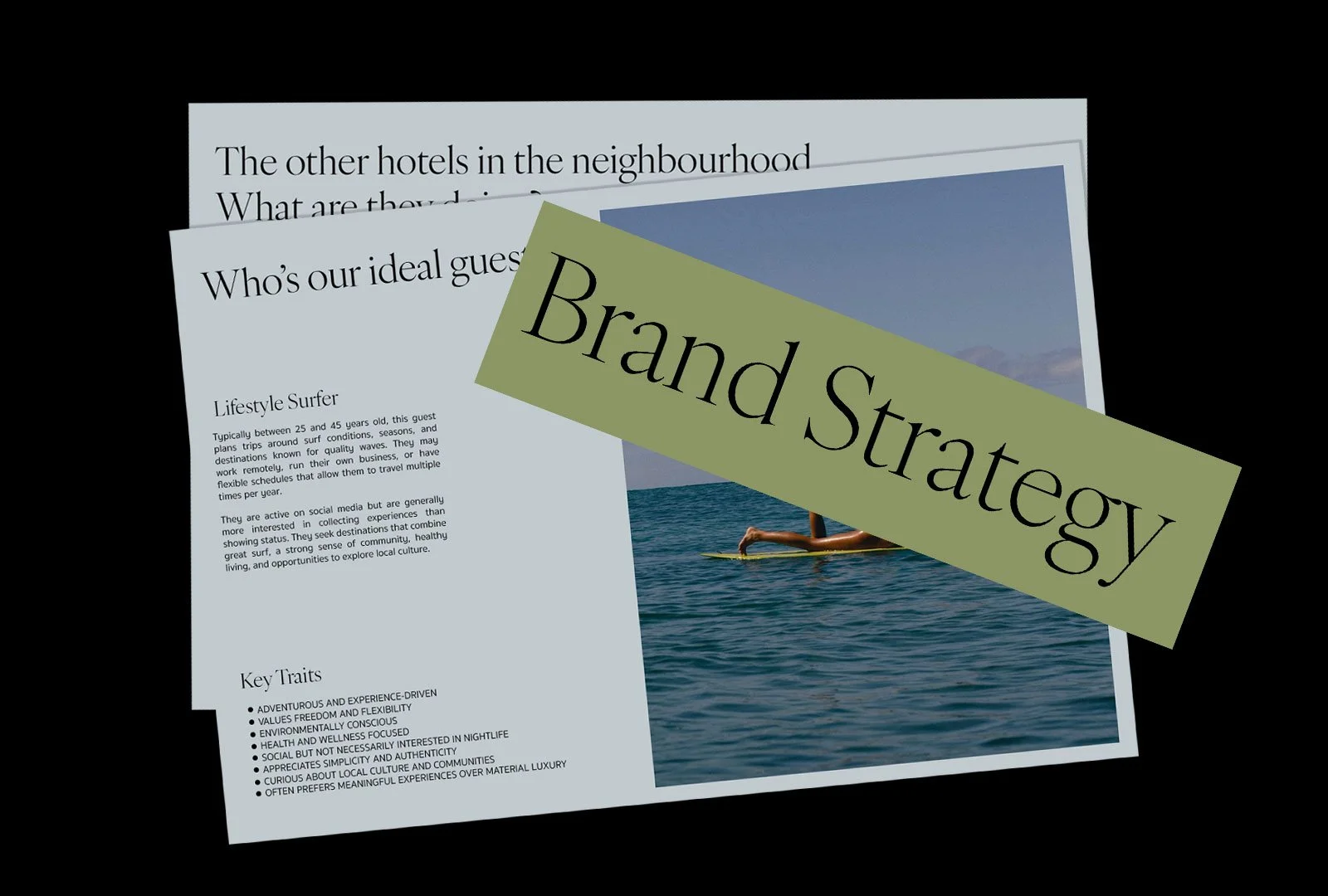
Hotel Brand Strategy and Positioning
This is where the hotel stops being an idea and starts becoming clear.
Think of it like direction more than inspiration. You can have a beautiful property, but without a clear position, it’s easy to end up blending into everything else around you.
Brand strategy defines what you actually need to do. Who you’re speaking to, what kind of experience you’re creating, and how you should be different in your location. Not in a vague way, but in a way that helps you make decisions with confidence.
Once this is clear, everything starts to line up. Naming feels intentional. The guest experience feels cohesive. The visual identity has a reason behind it instead of just looking good.
And more importantly, it changes how your hotel is perceived. You’re no longer competing on just location or price. You’re attracting the kind of guest who already understands what your place is about, which naturally supports stronger bookings and premium pricing.
Brand Story, Slogans and Taglines
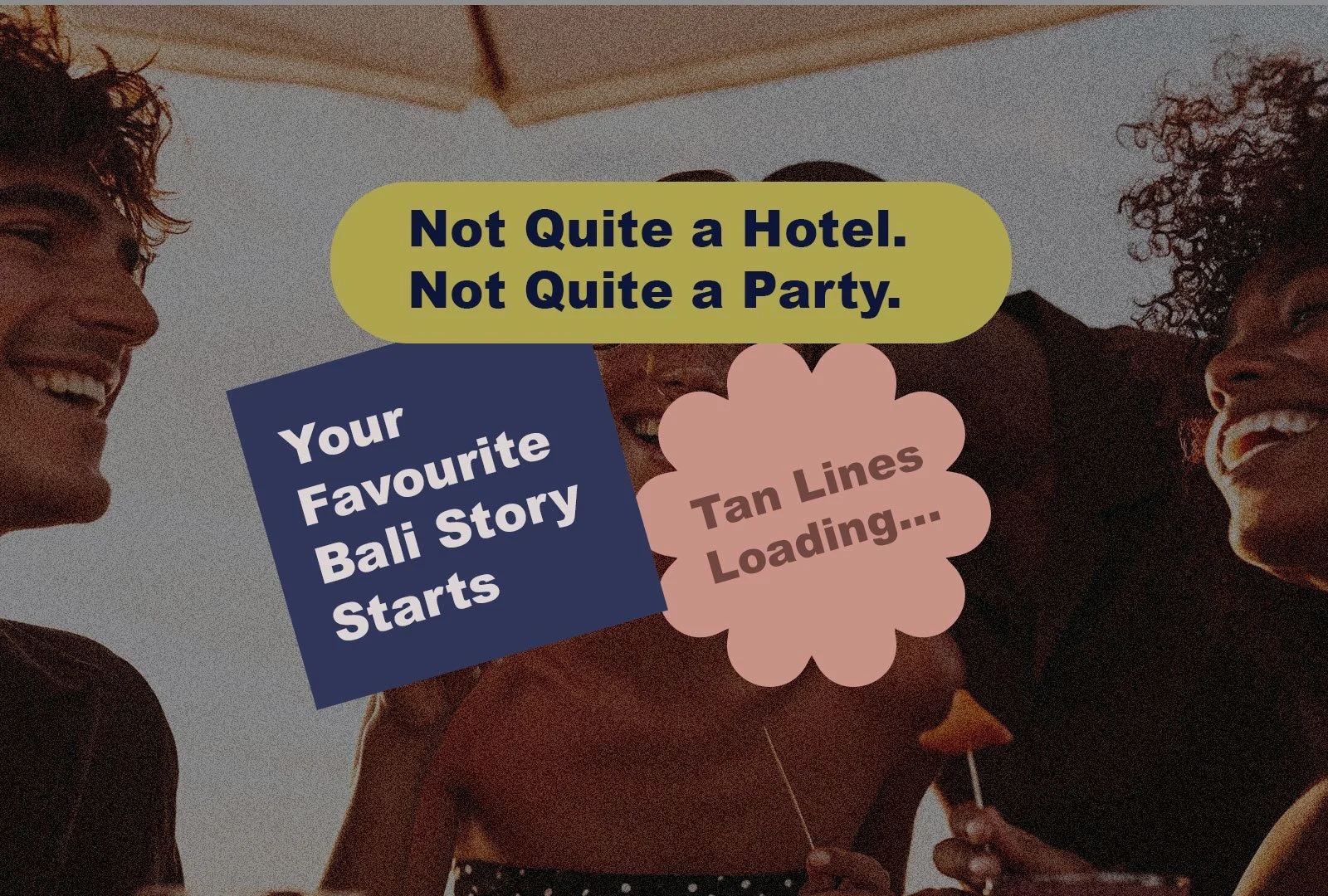
Most hotels have a story, but very few know how to express it in a way people actually remember.
Guests don’t care about a long paragraph buried on a website. Most of the time, they won’t even read it. What actually lands is when that story shows up naturally across different touchpoints, in a way that feels effortless to understand.
When the story is consistently felt across signage, in-room guides, and everyday moments, slogans and taglines become silent ambassadors of your brand narrative. Short, easy to recognise, and consistent wherever they appear, from the website to physical spaces.
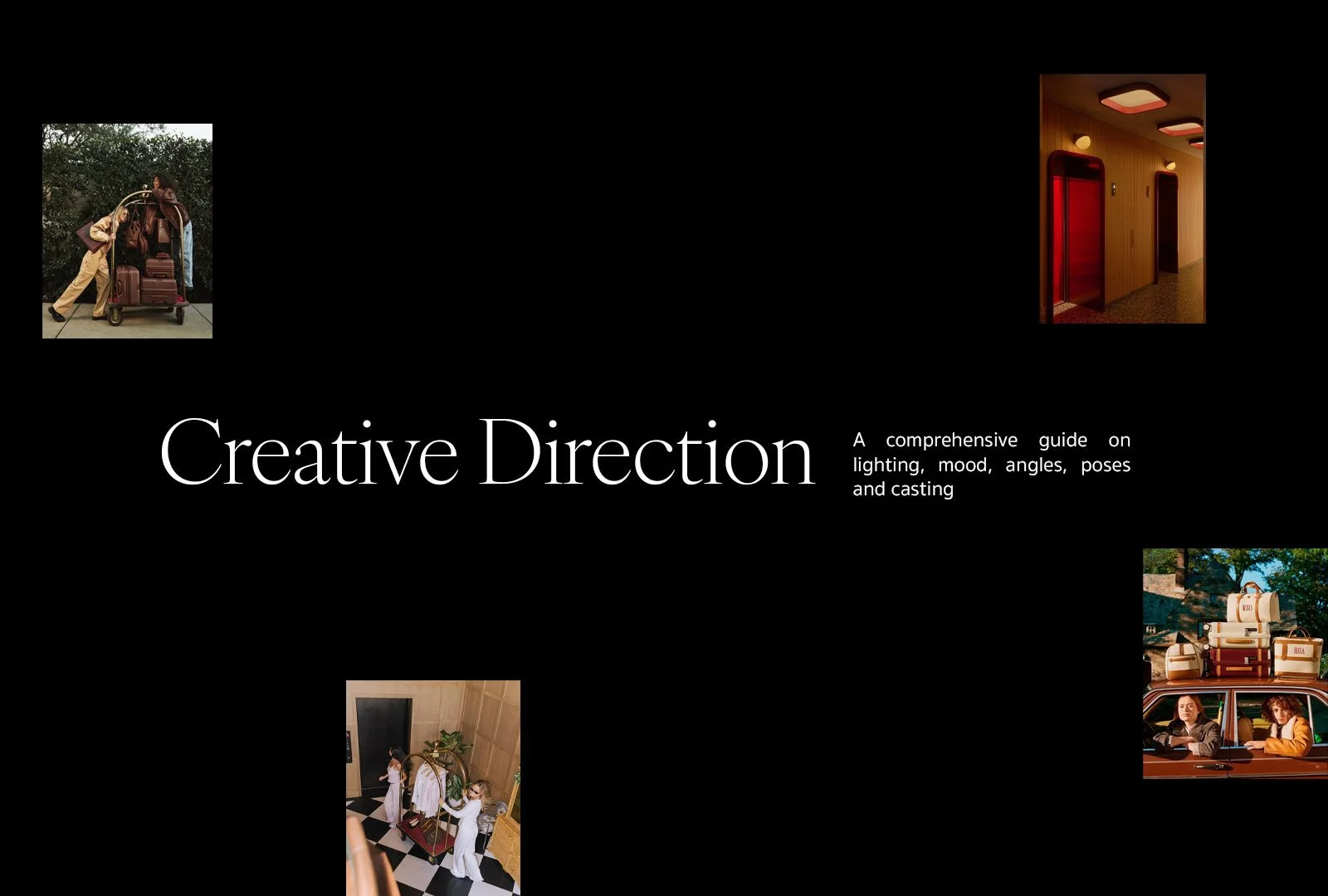
Photography + Art Direction
Photography is often the first real interaction someone has with your hotel.
Before they read anything, they’ve already formed an impression based on how the place looks through images. The mood, the lighting, the framing, the kind of moments being captured, all of it shapes how the hotel is perceived.
Without a clear direction, photography tends to shift depending on who is shooting it. One set of images might feel bright and airy, another more dark and editorial, and over time the brand starts to feel inconsistent.
A defined photography direction brings that into focus. It sets the tone, the kind of scenes to capture, how people should appear within the space, and what the overall mood should feel like.
Logo System and Usage
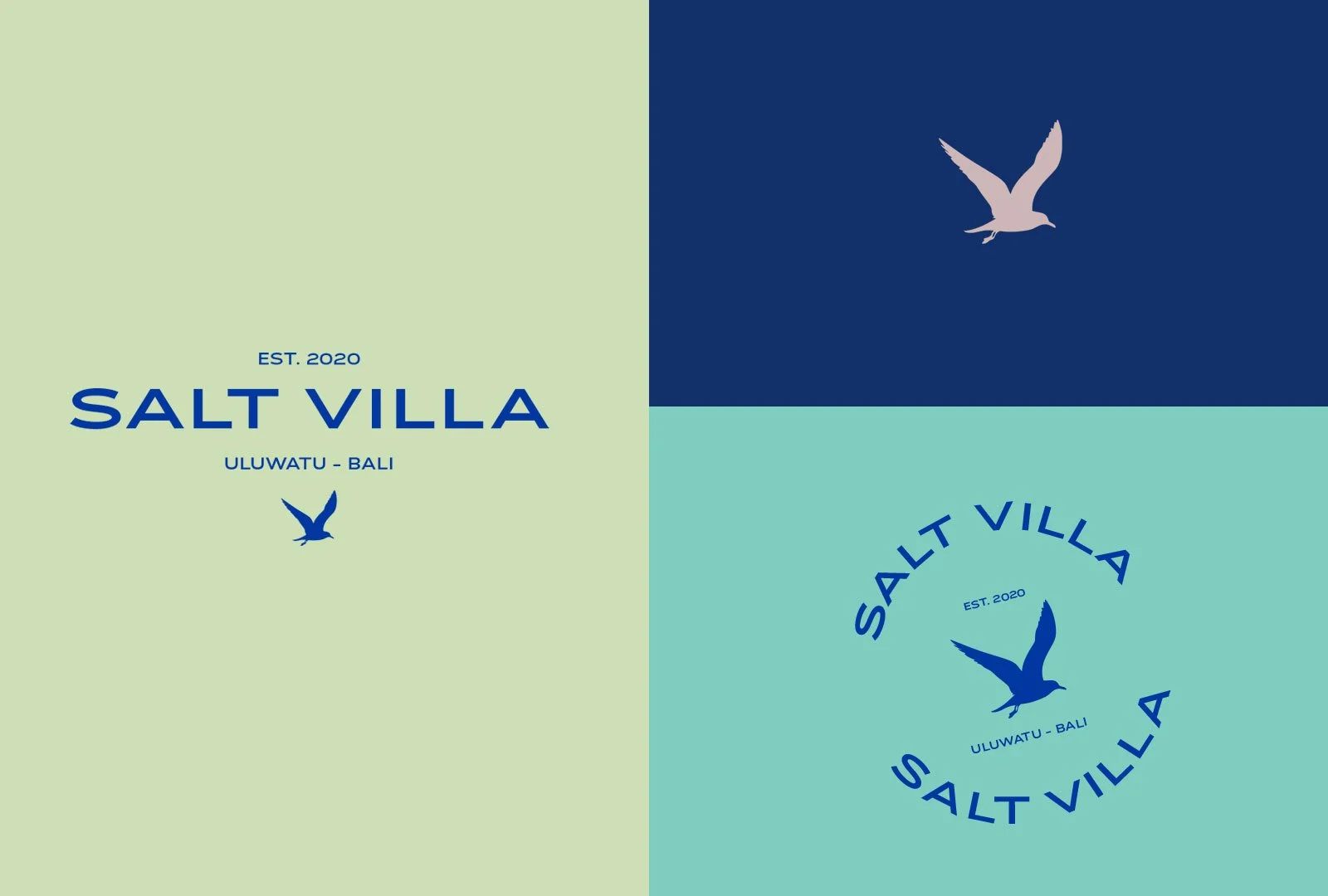
Most hotel logos end up being decorative rather than functional. The same version gets used everywhere, on the website footer, menus, signage, sometimes even in places where it becomes barely readable.
The problem isn’t the logo itself, it’s that it hasn’t been built to adapt.
A proper logo system includes variations designed for different contexts, so it works just as well on a large exterior sign as it does in a small digital or print application. Along with that comes a usage guide that defines how it should sit, how much space it needs around it, and how to keep it visually clean and balanced.
When this is in place, the logo stops being forced into spaces. It starts feeling like it naturally belongs there.
Colour and Typography Guide
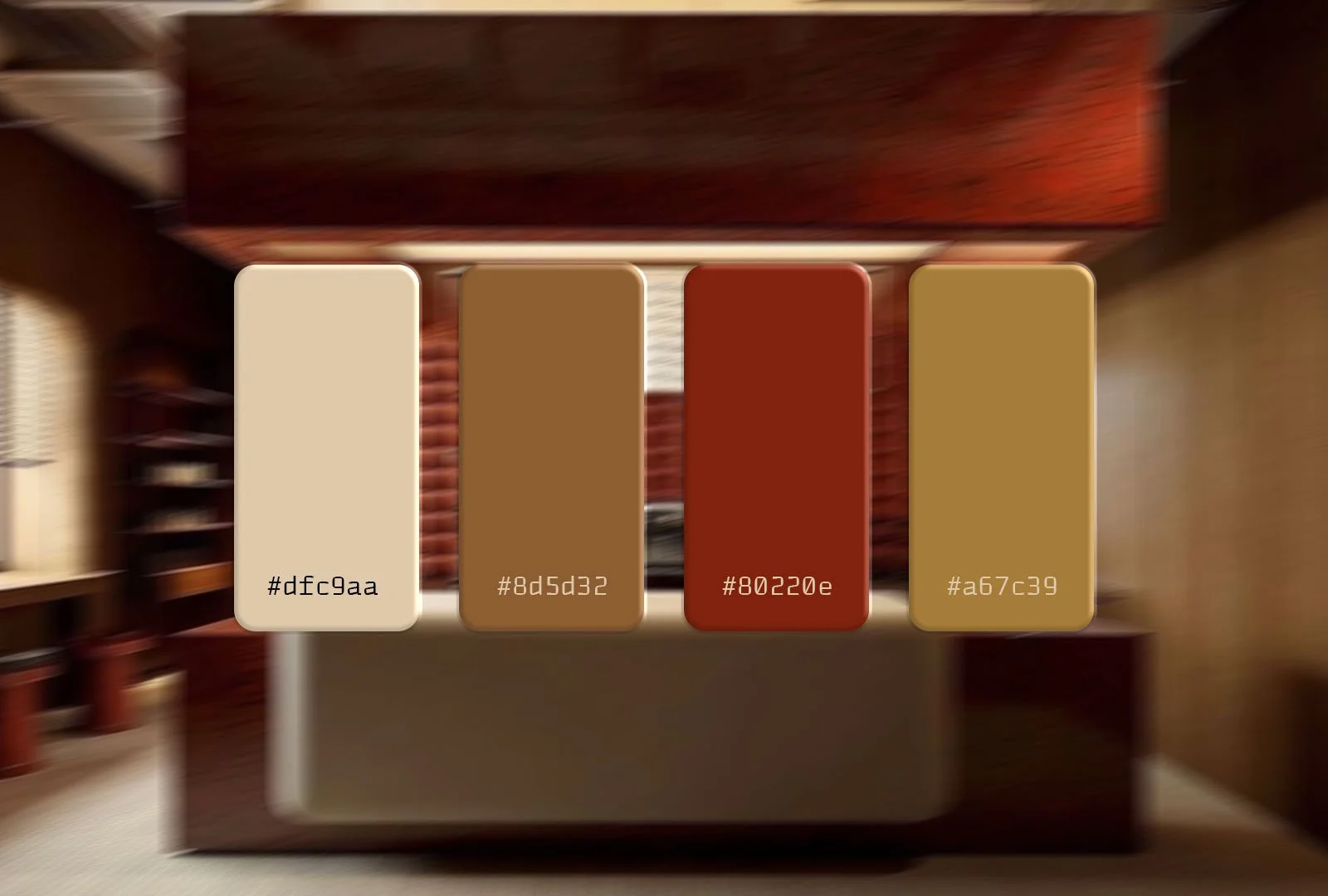
Colour and typography are usually where a hotel either feels instantly recognisable or slightly off, even when everything else is in place.
Most properties pick colors and fonts based on what looks good in the moment. But in practice, these choices end up showing up everywhere, across digital, print, interiors, and guest touchpoints, so they need more intention than preference.
A proper system defines not just what colours and typefaces are used, but how they work together across different contexts. What leads, what supports, what feels bold, and what stays subtle depending on where it appears.
Brand Patterns and Textures
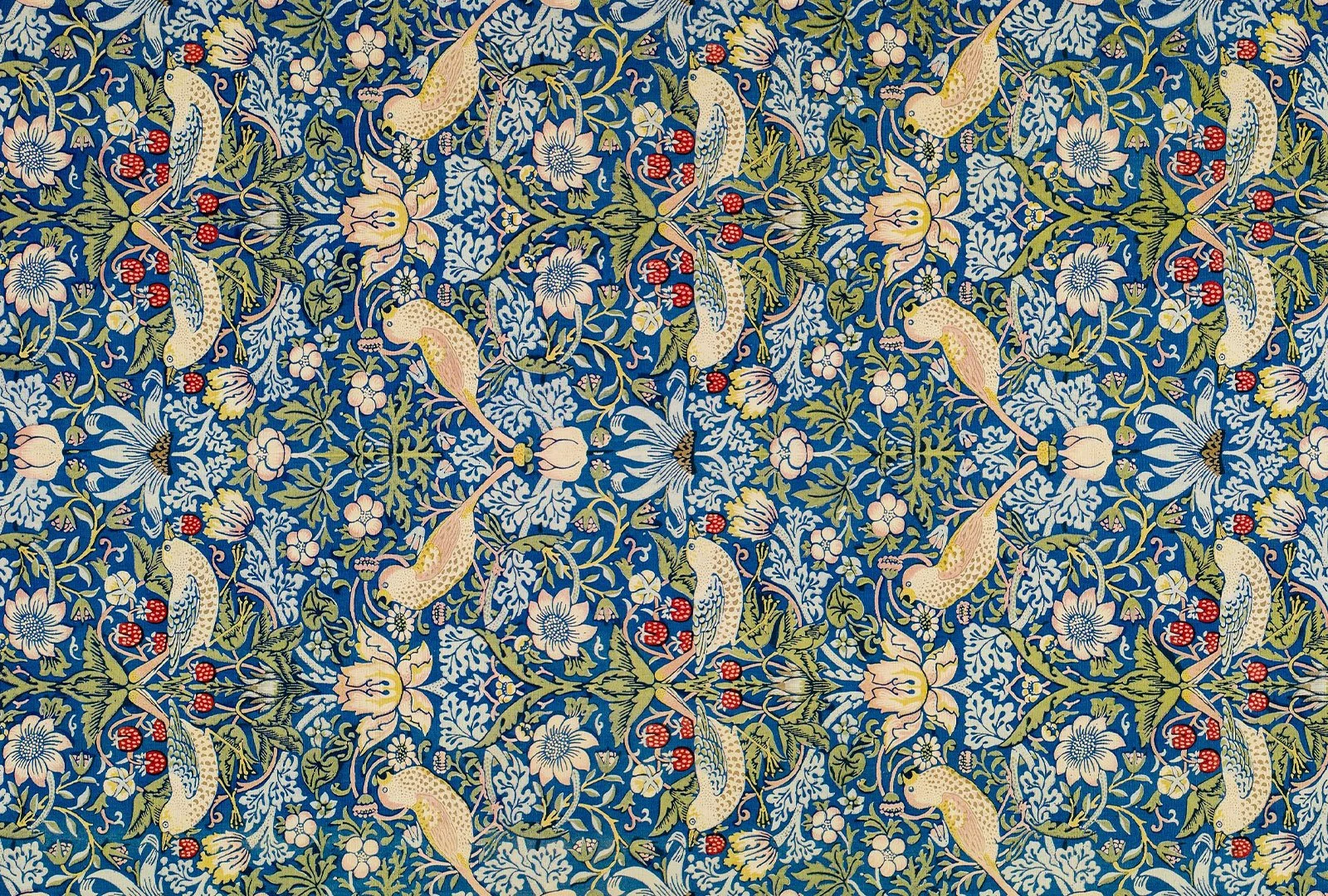
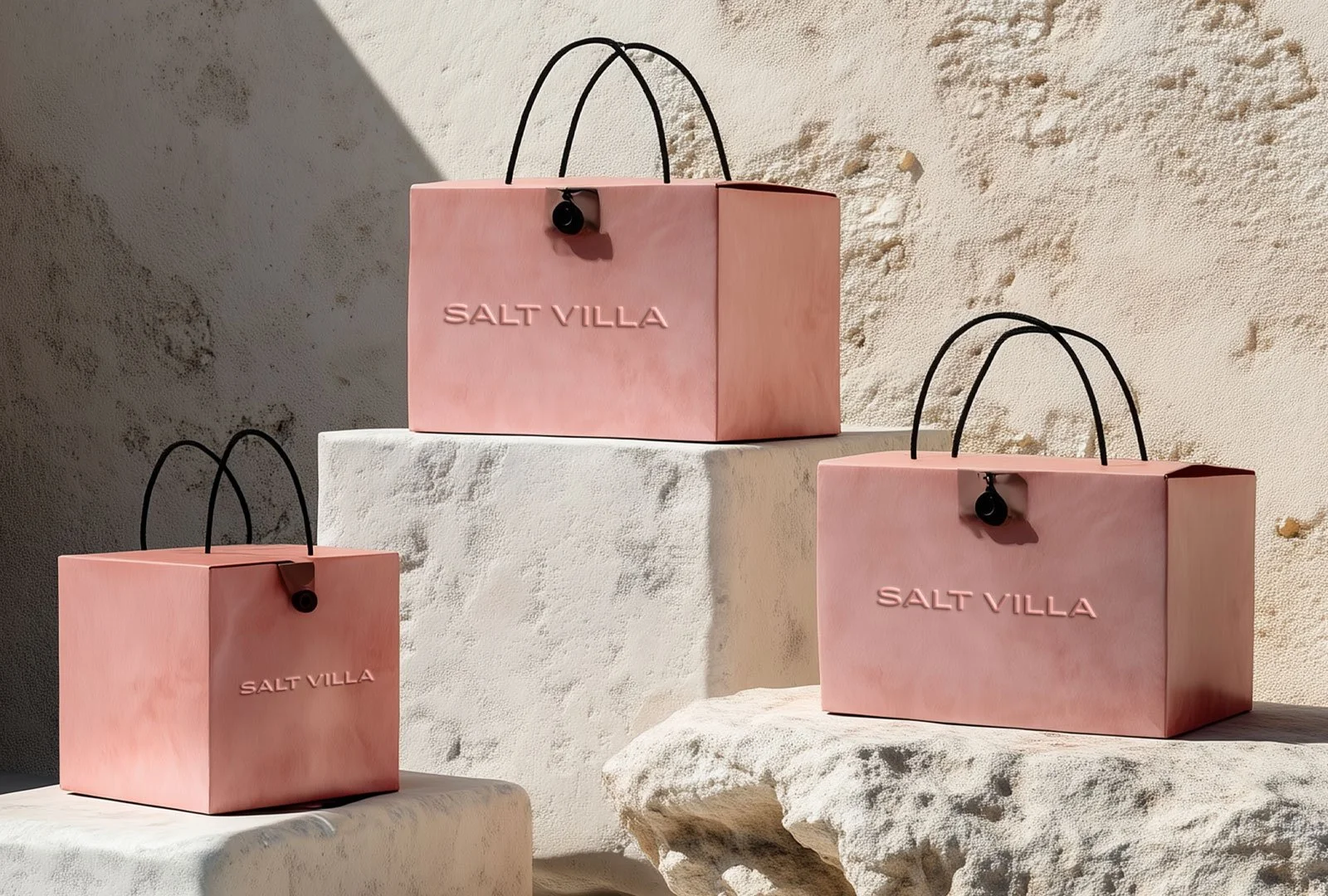
Patterns and textures show up in places people don’t always notice consciously. On menu covers, toiletry packaging, or door hangers, you notice these patterns subconsciously and start connecting with the hotel more. When they’re intentional, they add depth and give the brand something that feels uniquely its own.
Without them, everything can start to feel a bit flat. Clean, but generic.
A clear direction here defines what kind of visual language the hotel uses beyond just colours and type. It gives you elements you can reuse across different touchpoints without repeating the same thing over and over.
Guest Touchpoints and Brand Atmosphere
From the moment your guests discover you online, to check in, to the small details inside the room, everything contributes to that overall vibe.
Guest touchpoints are all those moments where the brand shows up. Menus, key cards, in-room guides, signage, packaging, digital interactions. On their own, they seem small. Together, they shape how the hotel is actually experienced.
That’s why brand guidelines feel incomplete without defining the full guest experience.
Digital Presence & Web
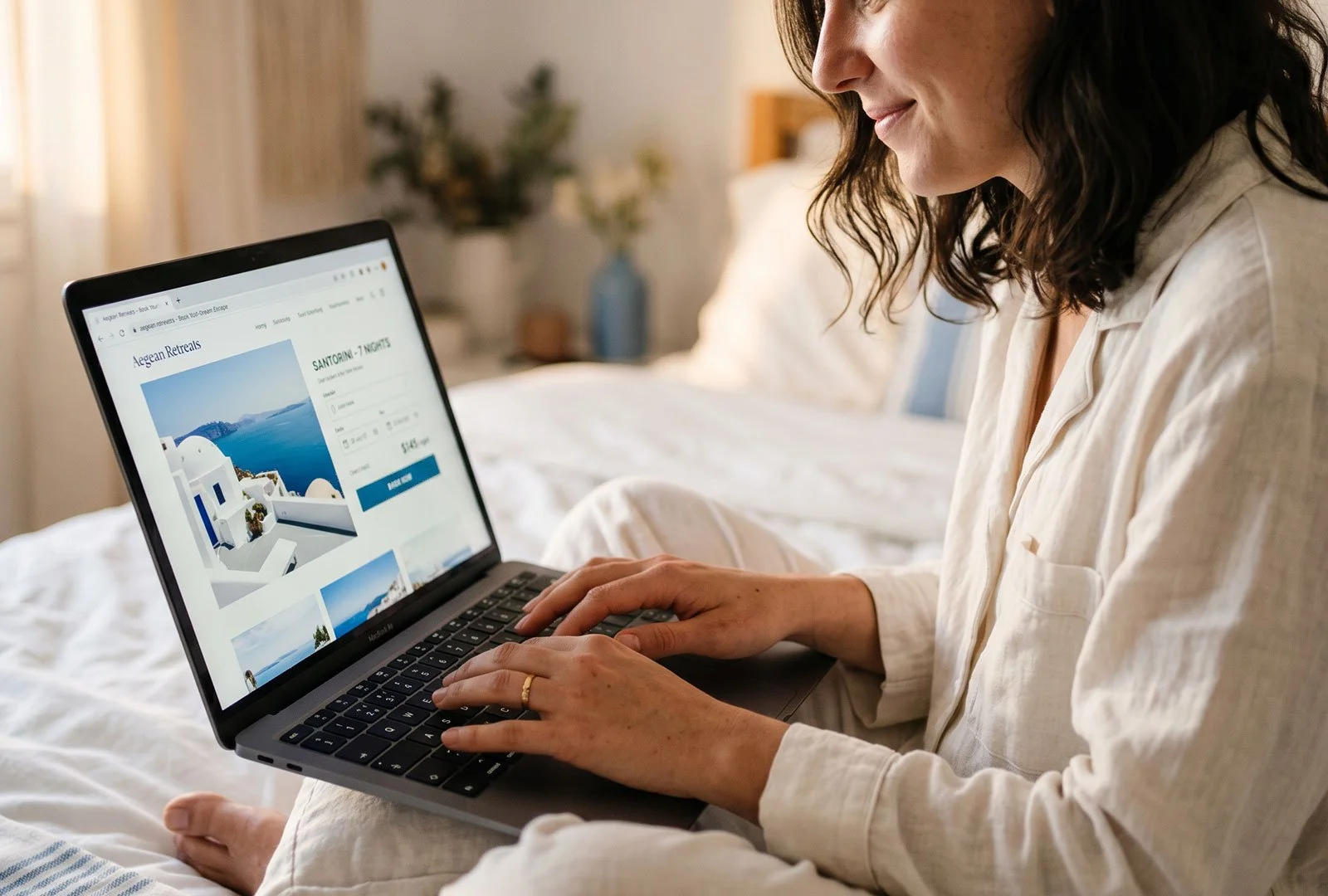
Your website, booking pages, social media, emails, all of it shapes the first impression. Not just in how it looks, but in how it feels to move through it. The pace, the tone, the way information is presented.
Without clear direction, this is where things start to drift the fastest. Different posts, different tones, different visual styles depending on who’s creating them.
Digital guidelines bring that back into focus. They define how the brand shows up online, how it speaks, what it prioritises, and how everything should feel across platforms.
When this is clear, the digital experience feels just as felt as the physical one.
How Long Does It Take to Create Hotel Brand Guidelines
It depends on the depth you’re aiming for.
There are quick turnaround options out there. A logo, a few colours, and a basic guide delivered in a day or two. It can look complete on the surface, but it rarely holds up once the hotel starts operating and real decisions need to be made.
Building something that actually works takes more time.
Understanding the property, the market, the kind of guest you want to attract, and how the experience should come together across different touchpoints isn’t something that happens overnight. This kind of work usually takes a few weeks to develop properly.
In our case, it typically takes around 4 to 6 weeks to build brand guidelines that are actually usable. Not just something that looks good in a presentation, but something teams can rely on as the hotel grows.
Strong hotel brand guidelines are much more deeper than logos, colours, or design rules.
They exist to help every decision move in the same direction. From guest experience and interiors to photography, digital presence, and everyday touchpoints, the goal is consistency that feels intentional rather than forced.
When that foundation is in place, the hotel becomes easier to recognise, easier to manage, and ultimately more memorable for the guests you want to attract.
If you're building a new property or refining an existing one, we help hotels develop brand strategies, visual identities, and brand guidelines that go far beyond a simple design document. Explore our hotel branding services to see how we create hospitality brands designed for long term growth.
or just send us an email: hello@elouvecollective.com
Check out more from the blog here.
Follow along for more business tips and tricks on Instagram!