Boutique Hotel Branding Strategy: How to Compete With Luxury Chains

Sometimes you come across a boutique hotel online and just know you want to stay there, even when there are larger luxury resorts sitting right next to it.
It is not about the biggest pool, the flashiest spa, or how many amenities are listed on the page. It is usually something harder to explain. The way it feels from the very first moment you see it.
That feeling is created long before arrival. It comes from how the hotel presents itself visually, how consistent that presentation is, and how clearly the experience is communicated.
That is the role of boutique hotel branding.
What is Boutique Hotel Branding
Branding for boutique hotel is how a hotel’s unique story is translated into a complete guest experience for a specific type of traveller.
It is not just about having a visual identity or a nice logo. It is about shaping everything around a clear point of view, so the hotel feels designed for a particular kind of guest, rather than designed for everyone.
For example, a luxury heritage hotel might lean into muted tones, beige palettes, classic interiors, and a sense of quiet refinement. It feels elegant, but often in a way that is broadly universal.
A boutique hotel, on the other hand, is more specific. It is built around a certain lifestyle or community. Think of a surf-focused hotel in Bali designed for people who live around the ocean. The hotel brand guidelines, tone of voice, spaces, and even small details like taglines or guest messaging are all shaped around that world. It is not just a place to stay, it is part of the experience the guest came for.
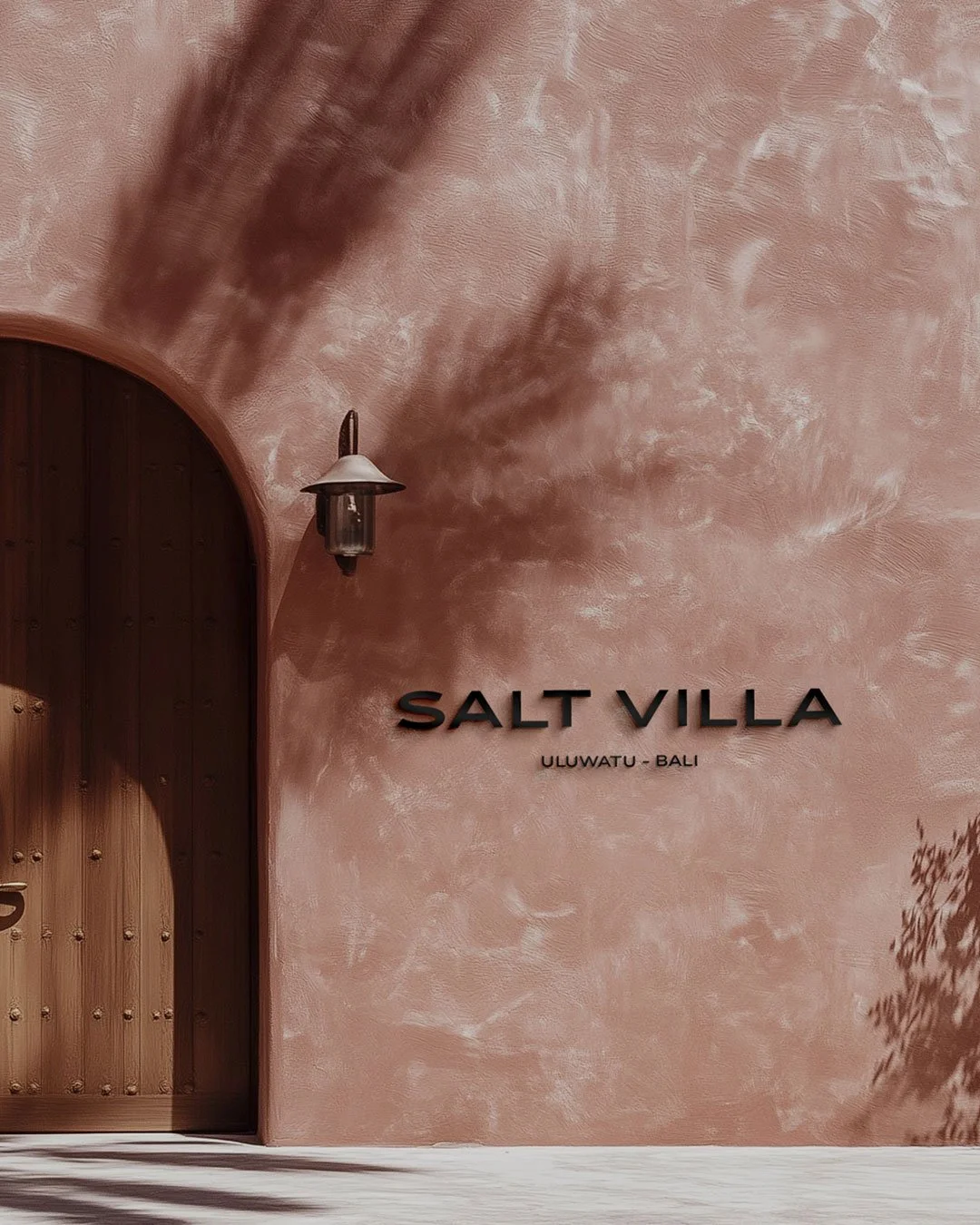
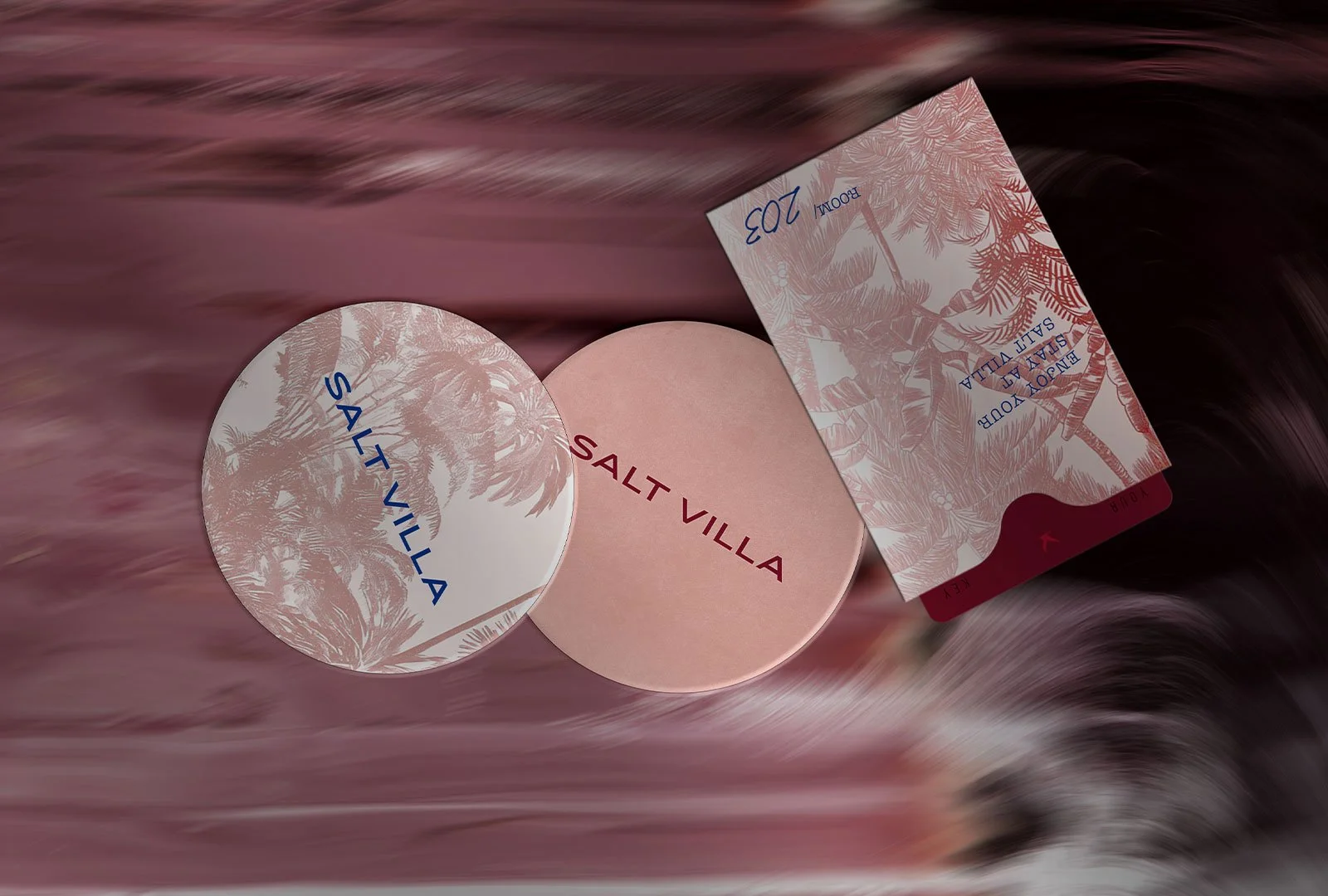
This kind of thinking is not theoretical. It shows up in how real spaces are built and experienced. For example, in our Salt Villa project, every element was designed around a single cohesive narrative, from the visual identity to the way the space itself feels when you enter it.
That is what boutique hotel branding really does. It removes the idea of a generic stay and replaces it with a clearly defined experience for a clearly defined guest.
And when that alignment is strong, people are not just booking a room. They are choosing a version of a lifestyle that already feels familiar to them.
Why Most Boutique Hotels Struggle to Stand Out
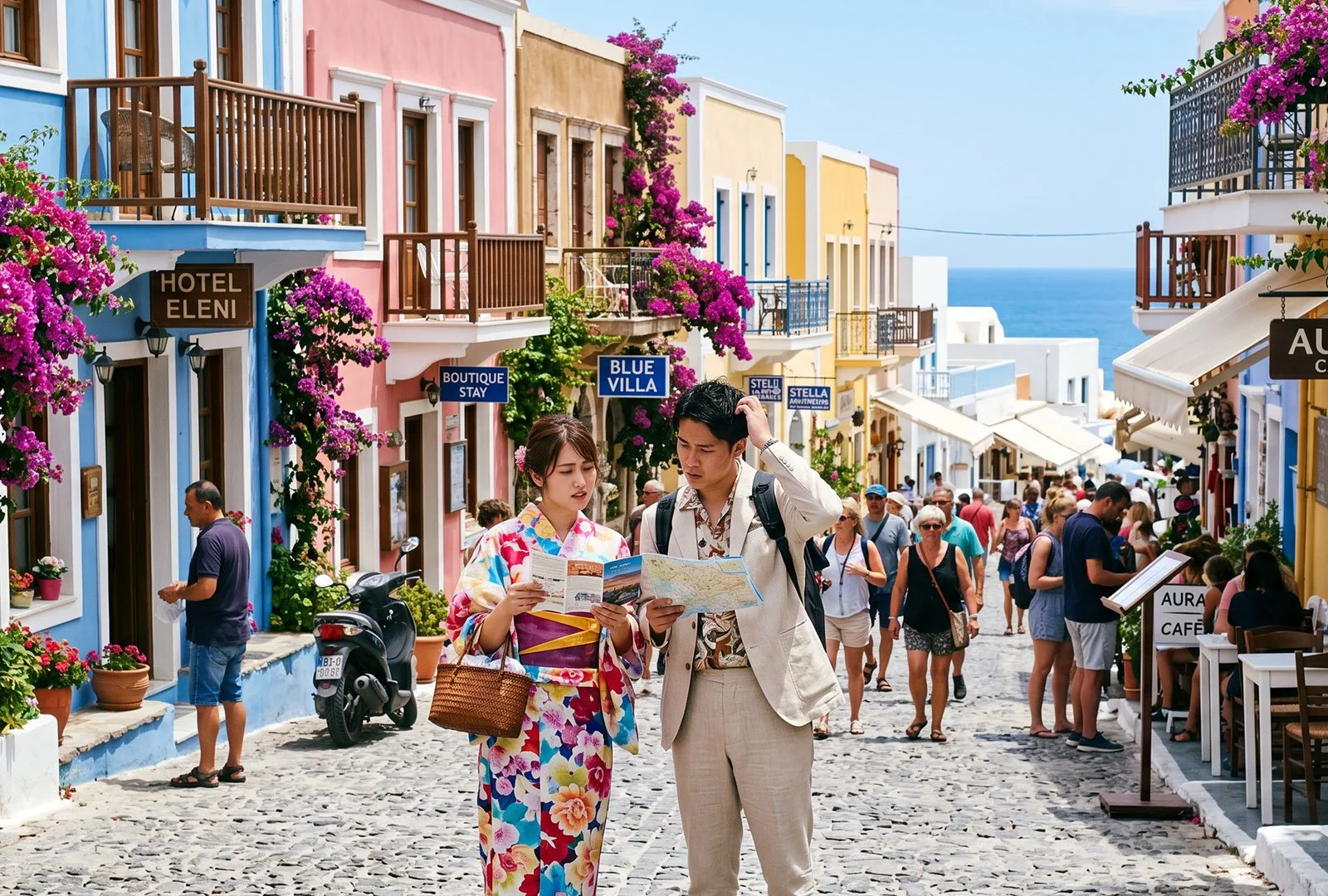
Walk through five different boutique hotel websites and you’ll start noticing the same patterns.
Carefully staged interiors. Minimalist branding. Everything feeling like it came from the same moodboard.
Individually, each one looks good. But together, they start to feel like they came out of the same factory.
And when that happens, the only way left to compete is on price. Which is the worst position a boutique hotel can be in.
Another common pattern is trying to appeal to too many people at once. The hotel looks one way, but the experience is not clearly built for anyone specific. It feels refined, but not intentional.
Because boutique hotels do not win by being broadly appealing. They win by being deeply relevant to a very particular kind of guest.
Or in other words, if everyone is your guest, no one really is.
Even when that direction starts to become clear, most owners turn to the same places for inspiration. Platforms like Pinterest become the starting point. The issue is not the platform itself, but the fact that everyone is looking at the same references. Over time, that creates a shared aesthetic that feels safe, but no longer distinctive.
It’s the design equivalent of everyone ordering from the same menu and expecting a different meal.
There is also a natural urge to replicate what is already working nearby. If a hotel has built a reputation for a certain kind of experience, copying that direction rarely works. Guests already associate it with that property. Without a clear point of difference, a new hotel becomes an alternative, not a destination.
The result is not poor design. It is a lack of identity.
And without a clear identity, even well-designed boutique hotels struggle to stay memorable. I’ve also mentioned the other common hotel branding mistakes that most hotel owners make in our another blog
If you’d like to pick our brain on how to build a memorable boutique hotel brand, feel free to schedule an e-coffee
The Natural Advantages Boutique Hotels Already Have
One of the biggest advantages boutique hotels have is creative freedom from corporate standardisation.
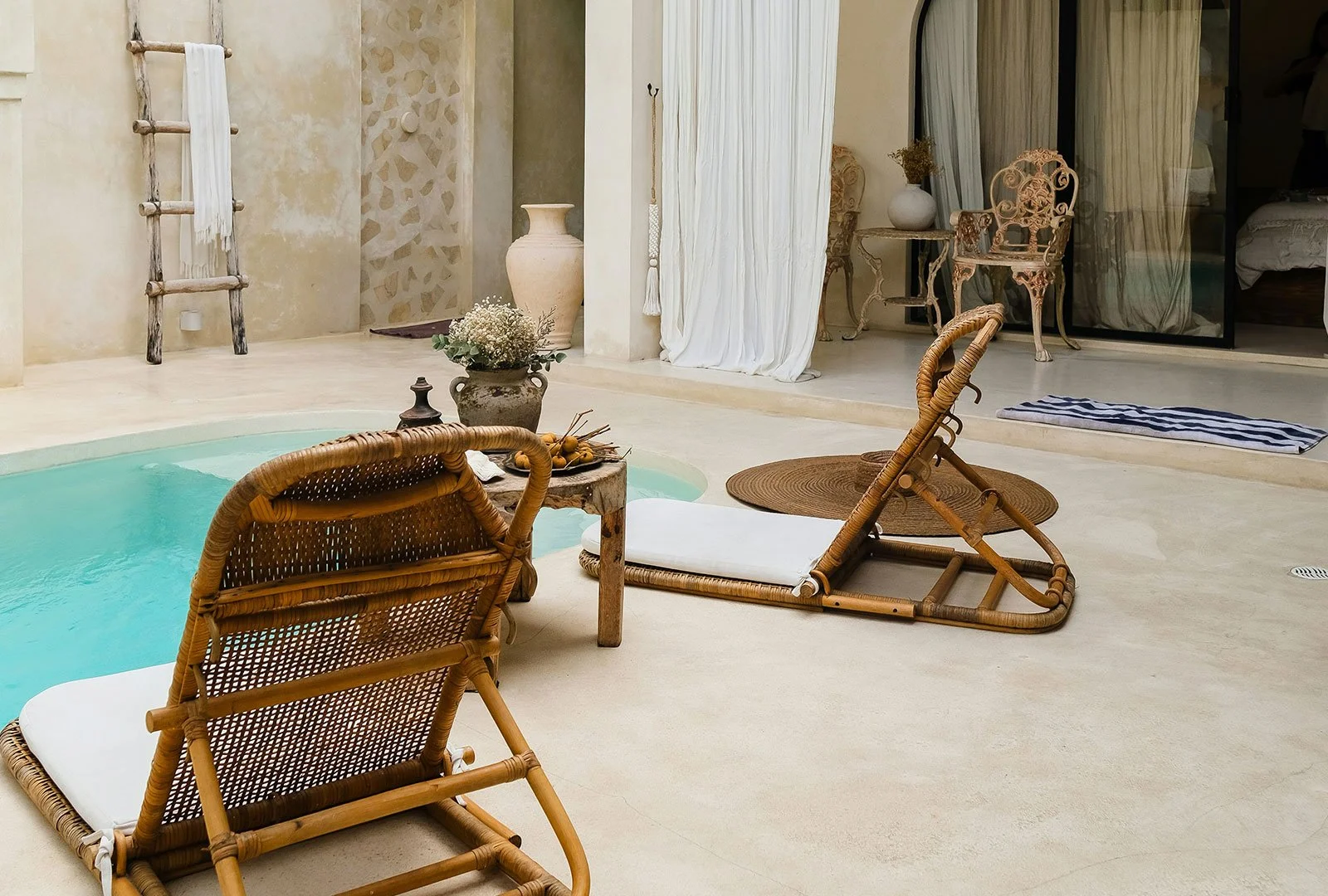
There are no rigid brand rulebooks or fixed experience templates to follow. That means the hotel is not forced to look or behave like every other property in a portfolio. It can build its own visual language, its own tone, and its own sense of identity without compromise.
This freedom also allows boutique hotels to create experiences that larger corporate hotels would rarely take the risk on. A property can fully commit to a very specific point of view, whether that is a design-led wellness retreat, a surf lodge shaped entirely around ocean culture, or a desert stay built around silence and isolation.
Each of these is not trying to appeal to everyone. It is designed for a very clear type of traveller, and that clarity becomes the product itself.
Because of this flexibility, boutique hotels can build narratives around location, culture, or lifestyle in a way that feels personal rather than packaged.
And when that happens, the emotional pull becomes much stronger than generic luxury. Guests are not just choosing comfort or quality. They are choosing a version of a lifestyle that feels aligned with who they are or what they want to experience in that moment.
Why Boutique Hotel Branding Helps You Attract Higher-Value Guests
The kind of guest a hotel attracts is rarely random. It is shaped by how the property presents itself long before the booking is made.
When boutique hotel branding is clear and specific, it naturally filters who feels drawn to it and who does not.
A well-defined brand does not try to appeal to everyone. It signals a very particular type of experience, which in turn attracts guests who are already looking for that exact thing.
These guests behave differently.
They are not comparing five different properties based on price or amenities. They are choosing based on alignment. The hotel feels right for the kind of stay they want, so the decision becomes easier and more intentional.
This also changes how pricing is perceived.
Instead of asking whether the hotel is “worth it” in comparison to others nearby, the guest is asking whether this is the experience they want. And if the answer is yes, price becomes a secondary consideration.
That is what allows boutique hotels to attract higher-value guests. Not by increasing facilities or competing on scale, but by being clear enough in what they offer that the right people are willing to pay for it.
If you are positioning your boutique hotel for higher-value guests, you can explore how we can help you build a stand-out brand. Feel free to check out our hotel branding process.
How Boutique Hotels Build Loyalty Without a Million-Dollar Budget
Loyalty in boutique hotels is built very differently from large chains. To know what goes more into creating a stand out boutique hotel experience, check out our guide for new owners
It does not come from points, rewards programs, or incentives designed to bring guests back. It comes from one simple thing: the guest experiences exactly what they were promised.
The feeling they saw online is the feeling they step into.
Because when a guest connects with a hotel on that level, they are not just remembering the stay. They are remembering a break from their everyday life. A version of it that felt more intentional, more aligned, and more alive.
In other words, your ideal guest already knows what their dream version of life looks like. The role of the hotel is to make that feel real, even if just for a few days.
That kind of loyalty is created through a few key things:
A clear and consistent identity across every touchpoint
Experiences that feel specific, not interchangeable
A strong sense of alignment between the guest and the brand
Visual and storytelling elements that stay memorable after the stay
Small, thoughtful details that feel intentional rather than standardised
None of this requires a large budget.
It requires clarity in what the hotel stands for, and discipline in expressing that consistently across everything the guest interacts with.
Because in boutique hospitality, loyalty is not built through scale. It is built through how distinctly the experience is remembered.
And when that memory is strong, guests come back. And more importantly, they bring others with them.
Final Thoughts: Where to Start With Boutique Hotel Branding
Start With Who You Are Designing For
Begin by defining your ideal guest. Not in broad terms, but in specific lifestyle and behavioural traits. Boutique hotel branding starts with clarity on who the experience is for, because that decision shapes everything that follows.
Define What the Experience Stands For
Once the audience is clear, define the story and positioning of the property. This includes the emotional promise of the stay, the atmosphere you want to create, and the core idea that will make the hotel feel distinct.
Design Every Touchpoint Around That Narrative
The brand should not live in isolation. Every guest interaction should reflect the same idea, from pre-arrival communication to in-stay materials. Consistency is what makes the experience feel intentional.
Build a World, Not Just a Property
Translate the brand into a fully immersive environment. From the bar to the bedroom, from signage to pillow details, every element should communicate the same narrative. The goal is not decoration, but cohesion.
Extend the Brand Beyond the Property
Your ideal guests are already influenced by people, places, and cultural references they trust. Strategic collaborations and partnerships help extend your brand into those spaces, reinforcing relevance and visibility within the right audience.
This is not a one-size-fits-all process, and it does not come from copying what already exists or starting with visual references alone.
Boutique hotel branding works best when each decision builds on the one before it, from defining who the experience is for, to shaping what it stands for, and how it is expressed across every guest touchpoint.
If you are in the process of building or refining a boutique hotel, it may help to step back and look at whether all of those layers are working together in the right direction. Book a brand audit for your hotel.
or just send us an email: hello@elouvecollective.com
Check out more from the blog here.
Follow along for more business tips and tricks on Instagram!