Hotel Rebranding: 7 Costly Mistakes to Avoid
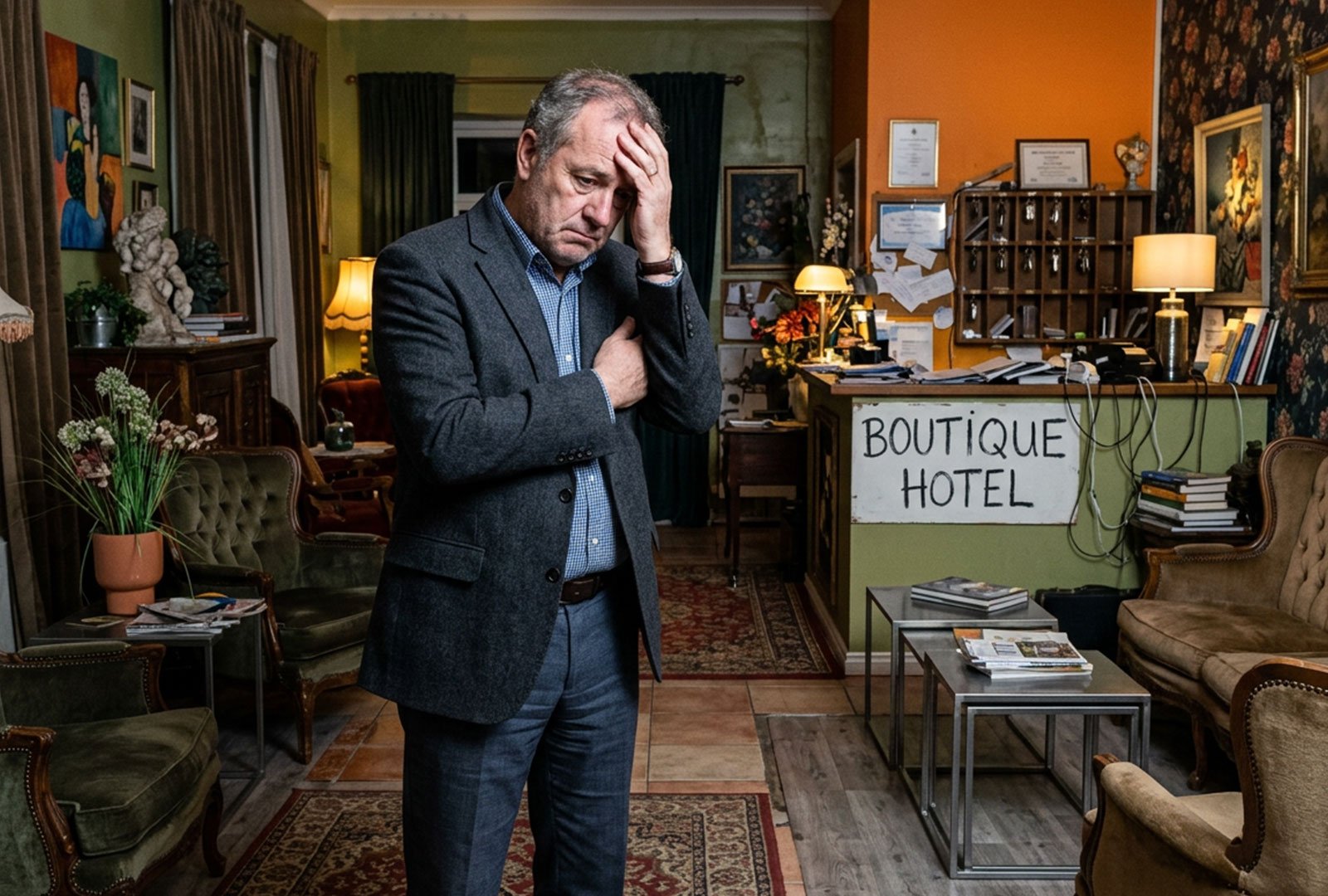
Most hotel rebrands don’t fail because of poor design, they fail because the thinking behind them was never clear to begin with. A new logo, updated interiors, or a refreshed website can make a property look different, but not necessarily more desirable. Guests don’t choose hotels based on visuals alone, they choose based on what they want to feel on their next stay, and how clearly that experience is communicated before they even arrive.
Why Rebranding Your Hotel Is Not as Simple as It Seems
On paper, rebranding a hotel sounds straightforward. Update the look, refresh the spaces, bring things up to date. But once you’re in it, the decisions start to pile up.
What kind of guest are we trying to attract now? Do we stay where we are or move slightly more premium? Should the tone feel relaxed or more refined? And the harder part, how much of the current identity do we keep, and what needs to change?
Without clear answers, the process starts to drift. Everyone has a different opinion, choices become harder to justify, and the end result feels like a mix of directions rather than something intentional.
If you want more clarity around the rebranding options for your hotel, check out our hotel branding services

Common Hotel Rebranding Mistakes
Here are some of the common small decisions and blind spots we’ve observed among property owners that often lead to a weak rebrand.
1. Rebranding your hotel Without a Clear Intent
Most weak rebrands start with the wrong problem. It’s often driven by surface-level frustration like “the logo feels outdated” or “the website doesn’t look modern enough,” when the real issues run deeper:
My hotel looks the same as others in the neighbourhood → positioning problem
I want my guests to feel like they’re in a wellness retreat, but that feeling isn’t coming through → brand identity and experience gap
People visit my website but don’t convert → digital experience and messaging problem
I want to increase my pricing, but don’t feel confident enough to do it → perceived value and guest experience problem
2. Not Knowing Who the Hotel Is For
Would you design a space, set your pricing, or shape your messaging the same way for a solo business traveller, a honeymoon couple, and a wellness-focused weekend guest?
When the guest is not clearly defined, everything else becomes guesswork. The brand ends up trying to sit in too many worlds at once, and as a result, it doesn’t fully land in any of them.
Getting focused on your guest avatar here is what makes everything else easier, from positioning and pricing to how the experience actually feels on the ground.
3. Treating Hotel Rebranding as Just a Logo Redesign
It’s a bit like buying a perfectly tailored suit. It might make you look sharper at first glance, but if the way you carry yourself, speak, or interact doesn’t match, the impression doesn’t hold for long.
The same applies to hotels. Updating colors, fonts, or a logo can improve how things look, but it doesn’t change how the brand is experienced. And that’s what guests ultimately respond to.
What’s often missing in this conversation is the system behind it, how the brand actually holds together across different touchpoints once it’s live.
Stronger rebrands go beyond appearance. They become brand guidelines for your property and tell you exactly how to show up and communicate to your guests through different touchpoints.
4. Giving Vague Feedback to Your Branding Team
Feedback is where a lot of good rebrands quietly fall apart.
Phrases like “can we elevate this” or “make the colors pop” sound clear in the moment, but they don’t actually say anything useful. They leave too much room for interpretation, which means decisions start drifting instead of moving in a clear direction.
What works better is being specific about what feels off and why. For example, questioning whether certain colors align with the kind of guest you’re trying to attract gives the design team something concrete to respond to. It opens up a conversation instead of creating confusion.
Rebranding is a collaborative process. The outcome depends just as much on how clearly feedback is given as it does on the work itself.
5. Not Involving the Right Stakeholders Early
Rebrands often start with one person leading the process, usually the founder or someone from the marketing team. But as things progress, more voices naturally come in. Partners, operations, investors. And by then, key decisions have already been made.
That’s when things start to slow down. Feedback overlaps, directions get questioned, and what was once clear starts to shift. Not because the work is wrong, but because alignment came too late.
The way we approach this is by bringing the right people in at the very beginning. Through our brand workshop, whether conducted virtually or in person for properties across the UK and Europe, we involve all key stakeholders and decision-makers early on. The goal is simple: get everyone aligned on a single direction so the brand has a clear north star from day one.
From there, we keep the process focused by working with one point of contact who gathers internal feedback and represents the team. This avoids noise, reduces back and forth, and keeps the rebrand moving with clarity.
6. Rushing Through the Rebranding Process
There’s a growing trend of “brand in a week” or fast-track rebranding services. On the surface, it sounds efficient. But in practice, rebranding rarely works well under that kind of pressure.
Good decisions take time to settle. Ideas need room to be explored, challenged, and refined. When everything is rushed, conversations get cut short, important questions go unasked, and a lot of valuable input from the client side never fully comes through.
That's why at Elouvé Collective, we don't believe in one size fits all VIP days. Instead, we take a bespoke approach to every property, allowing us to create hospitality brands and experiences that are truly distinctive within their market.
7. Hiring a Generalist Designer Instead of a Hospitality Branding Company
A generalist designer might deliver something visually appealing, but without an understanding of how hotels compete, how guests choose, or how pricing and perception are connected, important pieces get missed. The brand may look refined, but it doesn’t necessarily move the business forward.
Hospitality branding requires a different lens. One that considers positioning, guest experience, and how the brand shows up across every touchpoint. That’s where the real difference lies.
Final Thoughts: Hotel Rebranding Done Right
Most hotels don’t need a louder identity, they need one that feels consistent in the small, everyday moments. The way it shows up in a booking decision, how it is talked about, and how it actually feels when someone spends time there.
The strongest rebrands don’t feel like a big reveal. They feel steady. Like nothing is trying too hard, and everything belongs together naturally.
And when that happens, the shift is subtle but real. Guests understand the property faster, decisions feel easier, and the overall experience starts to carry more weight without needing explanation.
If you’re considering rebranding your hospitality business, Elouvé is a branding studio focused on strategic branding and guest experience design. You can book a free consultation here
or just send us an email: hello@elouvecollective.com
Check out more from the blog here.
Follow along for more business tips and tricks on Instagram!